
News

How to select the appropriate industrial slide rails for heavy-duty applications?-1
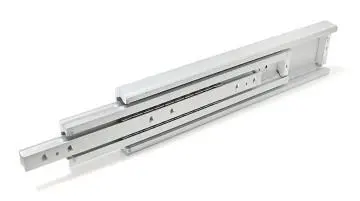
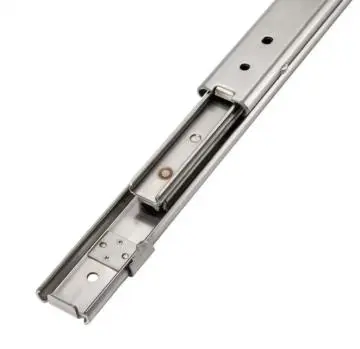
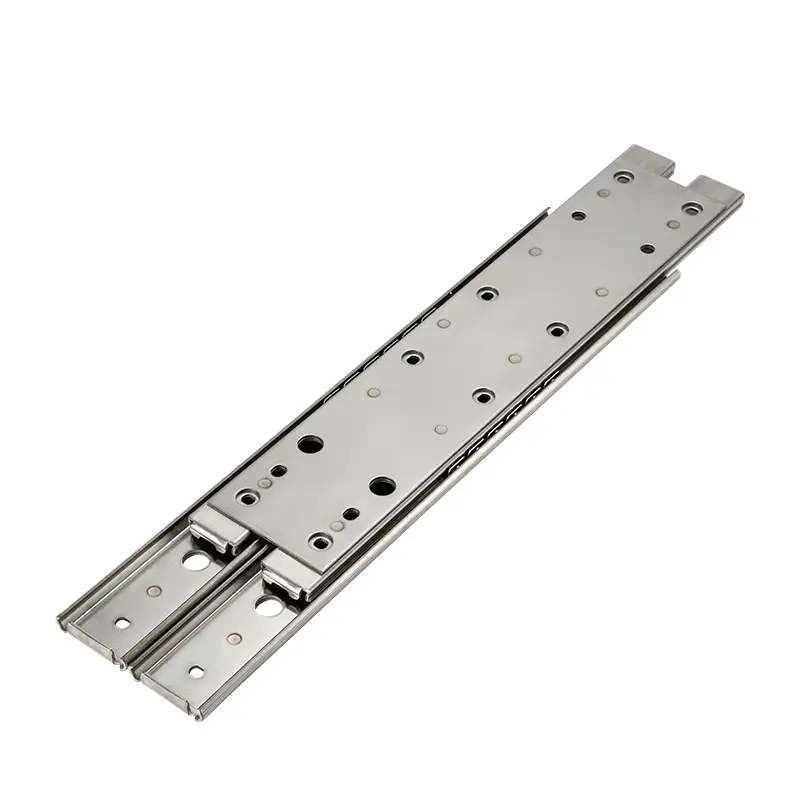
For professionals engaged in industrial procurement and equipment manufacturing, choosing the right industrial slide for heavy-duty applications is of utmost importance. This article, based on actual procurement challenges, dissects common selection misconceptions, recommends the Truslide CS2035PT high-performance industrial slide, elaborates on its advantages and application scenarios, and introduces the strength of the Truslide brand, providing a practical selection reference for heavy-duty applications in various fields.
Heavy-Duty Stainless Steel Slides: A Selection Guide for Industrial Use
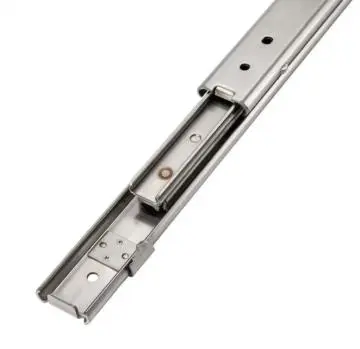
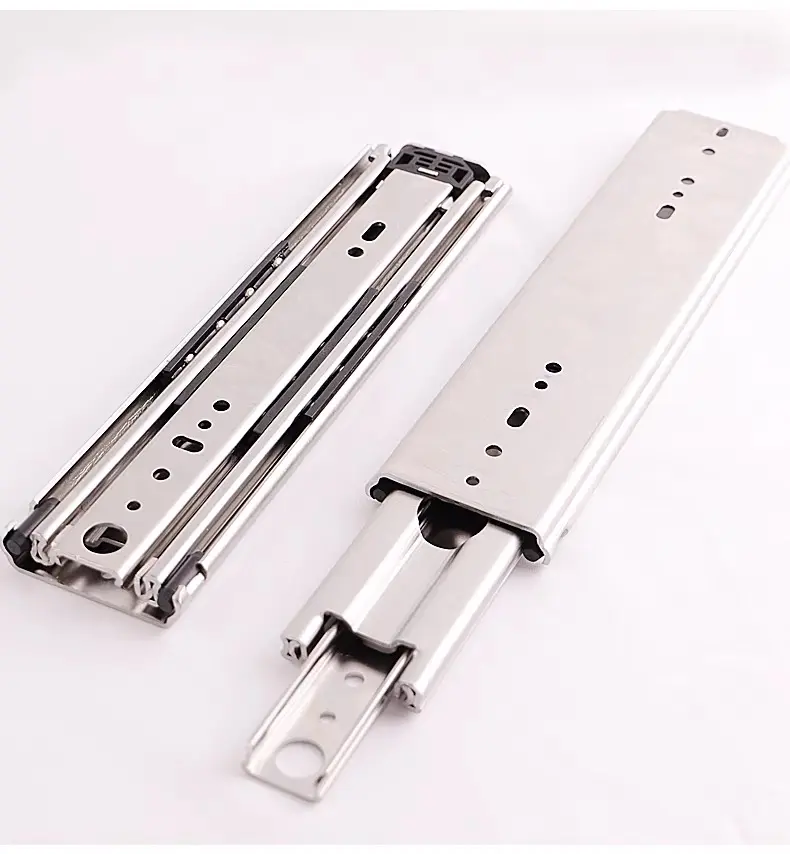
This article focuses on the core pain points in the selection of heavy-duty stainless steel slide rails in industrial scenarios, dissects the key misunderstandings in the selection process, and provides targeted recommendations for the Truslide SS2076PT heavy-duty stainless steel slide rail. It elaborates on its industrial-grade performance, applicable scenarios, and customization advantages, offering professional selection references for industrial equipment, medical devices, warehouse shelves, and other related fields.
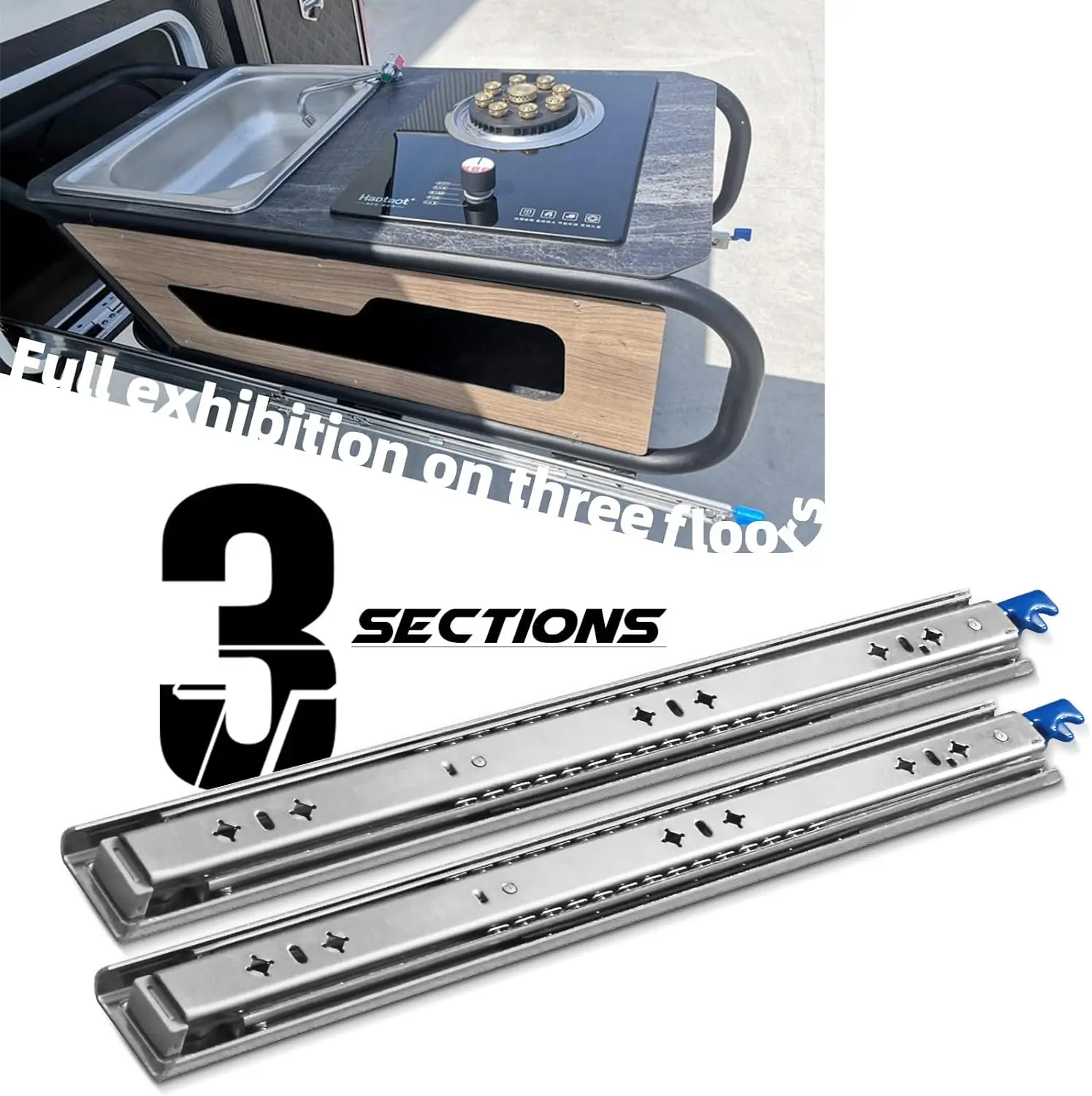
Say goodbye to delays and malfunctions. In 2026, the three-section sliding rail locking technology will become a standard feature in the industry.
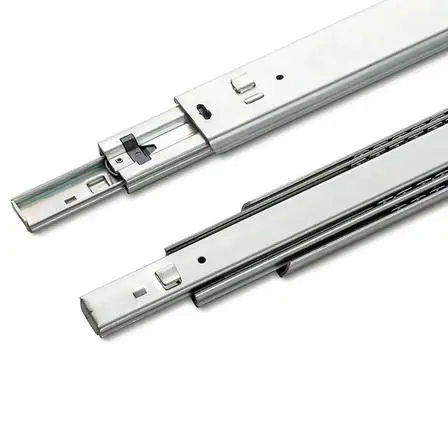
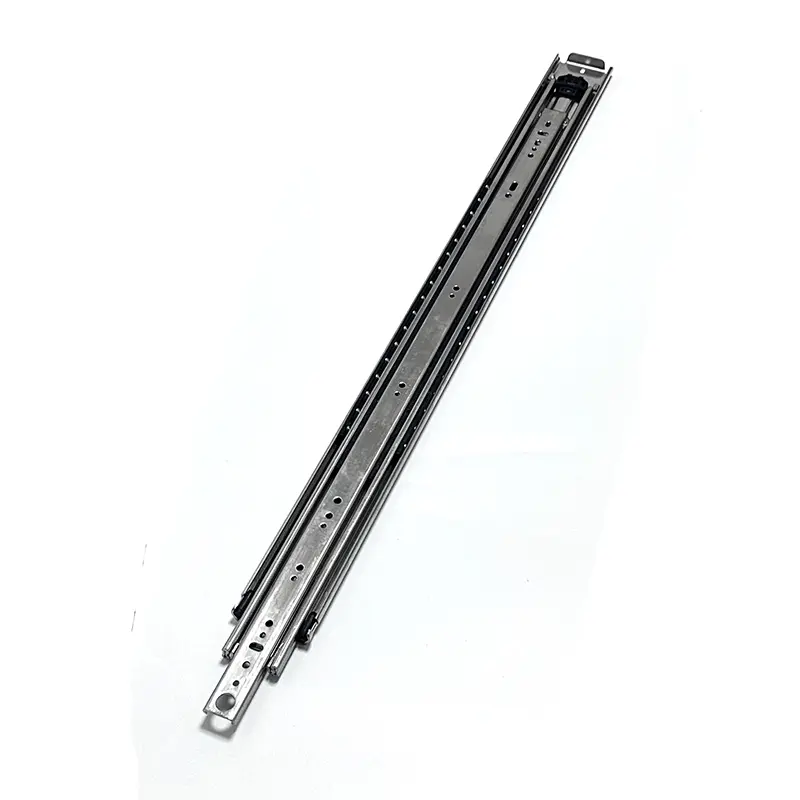
Are you still troubled by device lag and sliding rails disengaging? How powerful are the three-section locking sliding rails that are the industry standard in 2026? Why can Truslide's CS2053LK withstand a 120kg load? With full travel pull-out + detachable inner rail design, how convenient is the installation and maintenance?
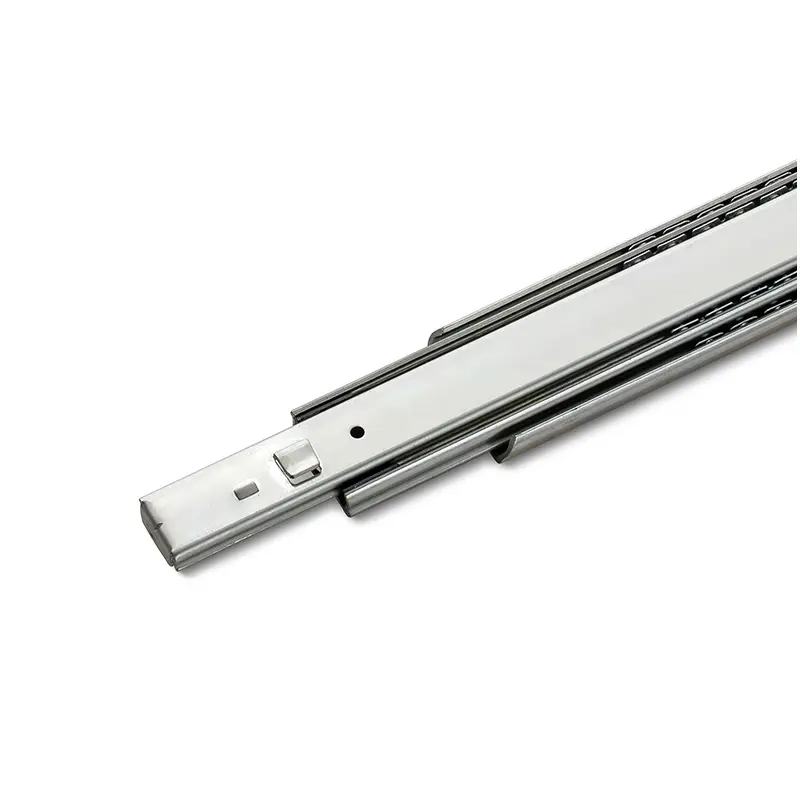
Cold-rolled steel vs. Stainless steel slide rails: How to choose? After reading, you'll understand.
Still unsure whether to choose cold-rolled steel or stainless steel for the slide rails? This article will help you understand the core differences between the two. From load-bearing capacity to rust resistance, combined with practical application scenarios, it will guide you to avoid selection mistakes and choose the right slide rails without wasting money.
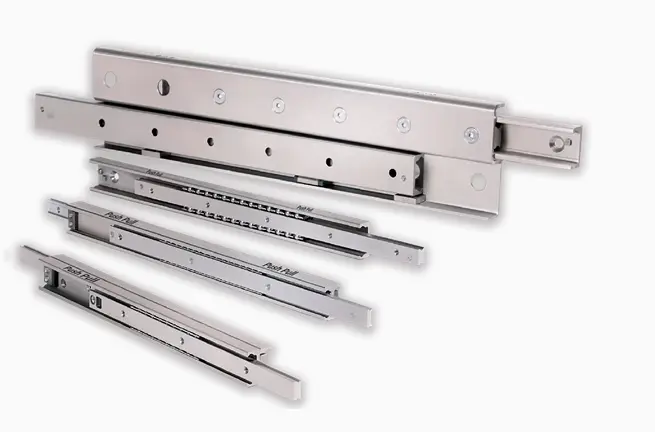
Bearing steel slide rails: Why is it the preferred choice for high-precision industrial equipment?
Want to uncover the core secrets of high-precision industrial equipment? The bearing steel slide rails, with their extremely high hardness, outstanding wear resistance and astonishing dimensional stability, have become the preferred choice for CNC machines, precision instruments and automated production lines. Learn why engineers in the pursuit of ultimate precision all trust this "steel heart".
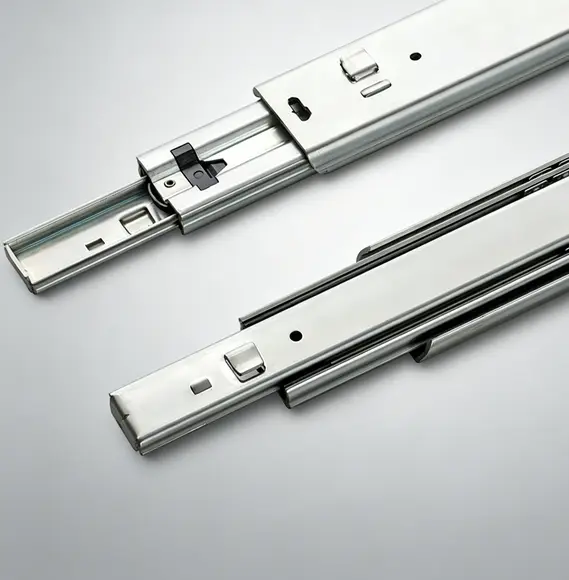
As solid as a mountain: Cold-rolled steel slide rails, strengthening the security defense line of heavy-duty warehousing and logistics.
In modern warehousing centers and logistics hubs, efficiency is life, and stability is the foundation of efficiency. As automated guided vehicles (AGVs) move in a continuous stream, and heavy shelves carry tons of goods, any minor mechanical failure could cause production lines to stop or even lead to safety accidents.
Among these large systems, there is a type of component that is rarely mentioned but quietly bears tremendous pressure and friction. It is the cold-rolled steel industrial slide rail. From the smooth guide rails of heavy shelves, to the tool compartments of logistics vehicles, and to the sliding platforms of automated sorting equipment, the cold-rolled steel slide rail is safeguarding the smooth operation of the entire logistics system with its "as stable as a mountain" characteristic.
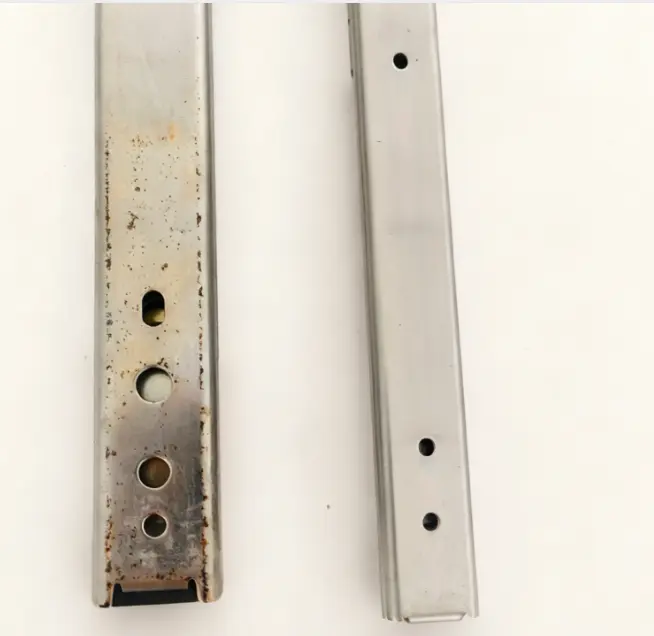
Cold-rolled steel slide rails are prone to rust? Here are 3 maintenance tips to extend their lifespan.
In industrial applications and furniture manufacturing, cold-rolled steel slide rails are widely used due to their high strength, good load-bearing capacity, and excellent cost-effectiveness. However, an unavoidable fact is that cold-rolled steel does indeed have the risk of oxidation and rusting under certain conditions.
But this does not mean that cold-rolled steel slide rails are "fragile" or "short-lived". In fact, with scientific maintenance and care, cold-rolled steel slide rails can have an extremely long service life and stable performance.
Today, we will directly address this topic and reveal to you the 3 key maintenance techniques for extending the lifespan of cold-rolled steel slide rails.

What is the width of the sliding rail? Analysis of the application scenarios for 20mm width
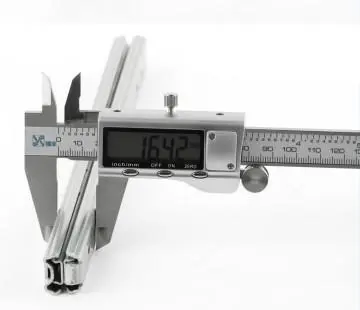
When choosing a sliding rail, width is a crucial parameter, as it directly determines the installation method, carrying capacity and applicable scenarios of the sliding rail. There are various width specifications of sliding rails available on the market, ranging from a few millimeters for mini ones to 70-80 millimeters for heavy-duty ones.
For industrial applications and modern furniture customization, 20mm is a very classic and practical "golden width". This article will provide a detailed analysis of the common width system of sliding rails and focus on introducing the unique application of 20mm sliding rails in modern spaces.
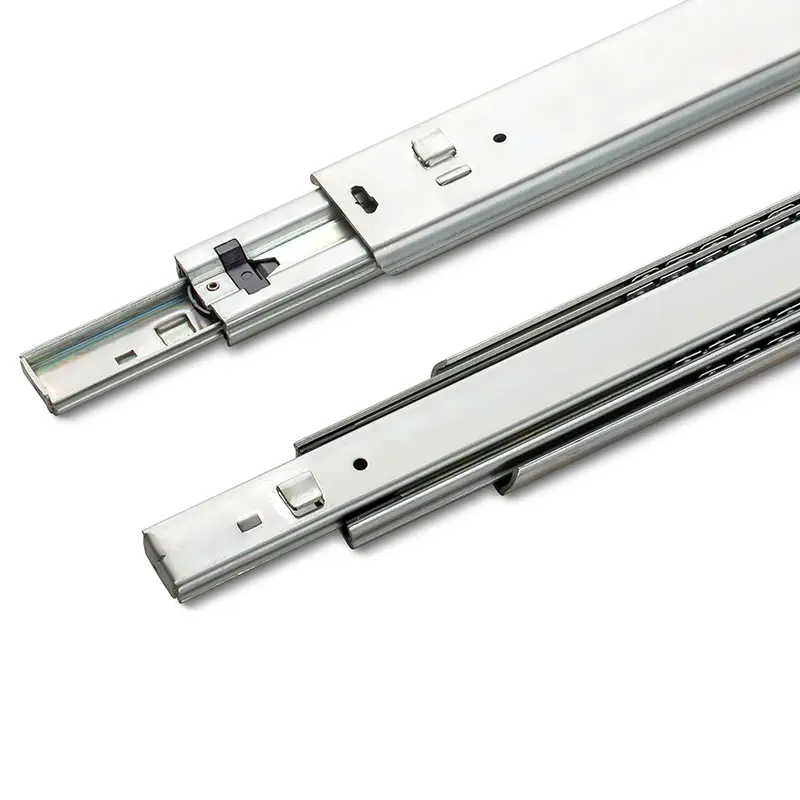
Why are industrial heavy-duty sliding rails more often made of cold-rolled steel rather than stainless steel?
In the construction of industrial equipment, heavy cabinets and automated production lines, slide rails are the key components that support heavy objects and enable smooth movement. Many laypeople, upon seeing the words "stainless steel", tend to instinctively believe that it is more advanced and better than "cold-rolled steel".
However, in actual industrial applications, you will find that the majority of heavy equipment, tool cabinets, and server cabinets use cold-rolled steel slide rails.
This is not because the manufacturers are cutting corners, but rather it is a rational technical decision based on physical properties, usage environment, and cost-effectiveness. Today, let's delve deeper into why cold-rolled steel is the "main force" of heavy slide rails in the industrial field.
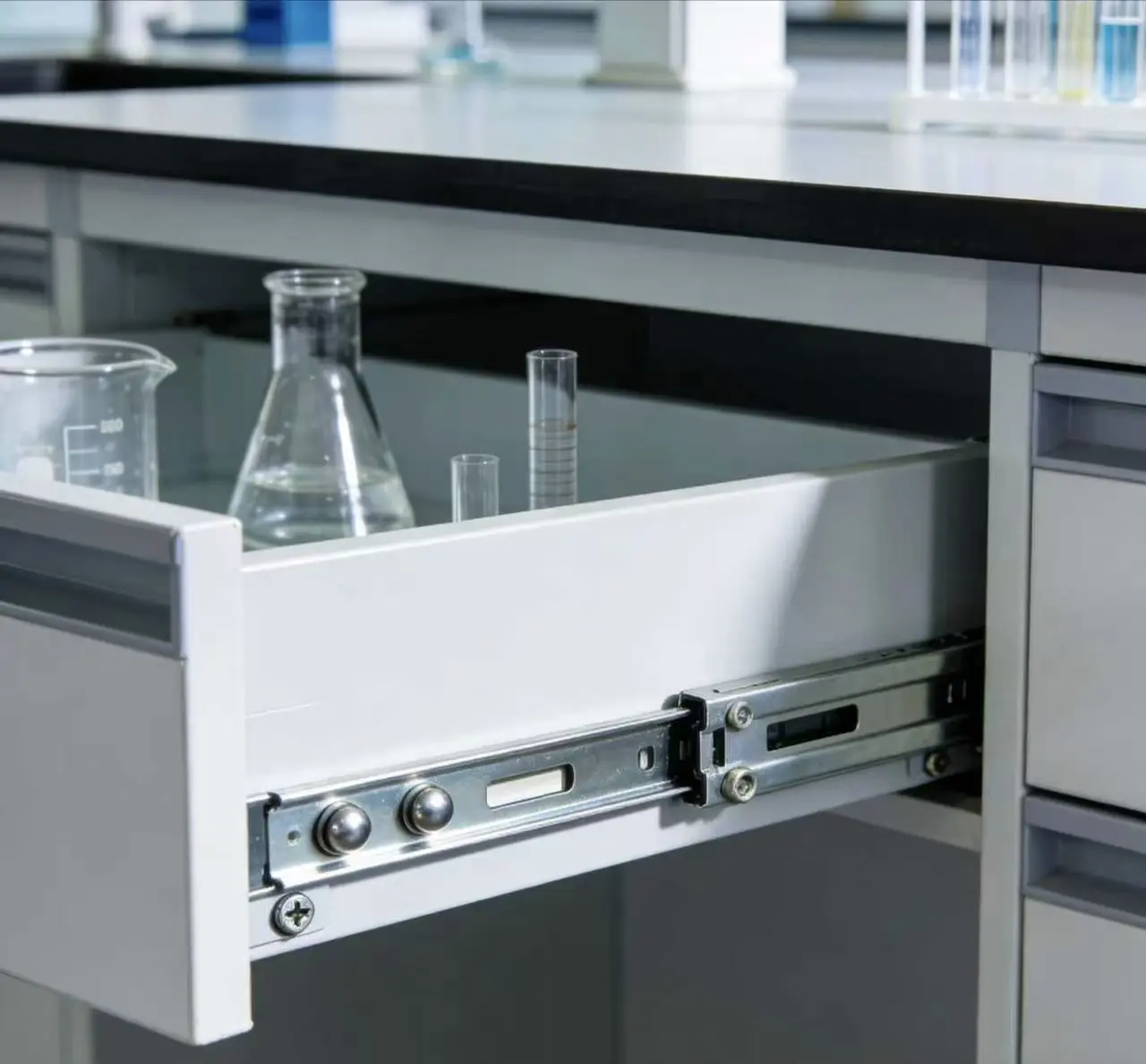
How to choose the sliding rails for laboratory/kitchen equipment? Moisture resistance is the key.
In the laboratory and kitchen, where conditions are particularly demanding, the selection of equipment slides is of utmost importance. Ordinary slides are often unable to withstand the long-term effects of moisture, cooking fumes, or chemical reagents, resulting in rusting, jamming, or even breaking. This not only affects the user experience but also poses potential safety risks.
So, how can one choose truly durable sliding rails for laboratory and kitchen equipment? The key lies in moisture resistance, corrosion prevention, load-bearing capacity, and smoothness and quietness.