
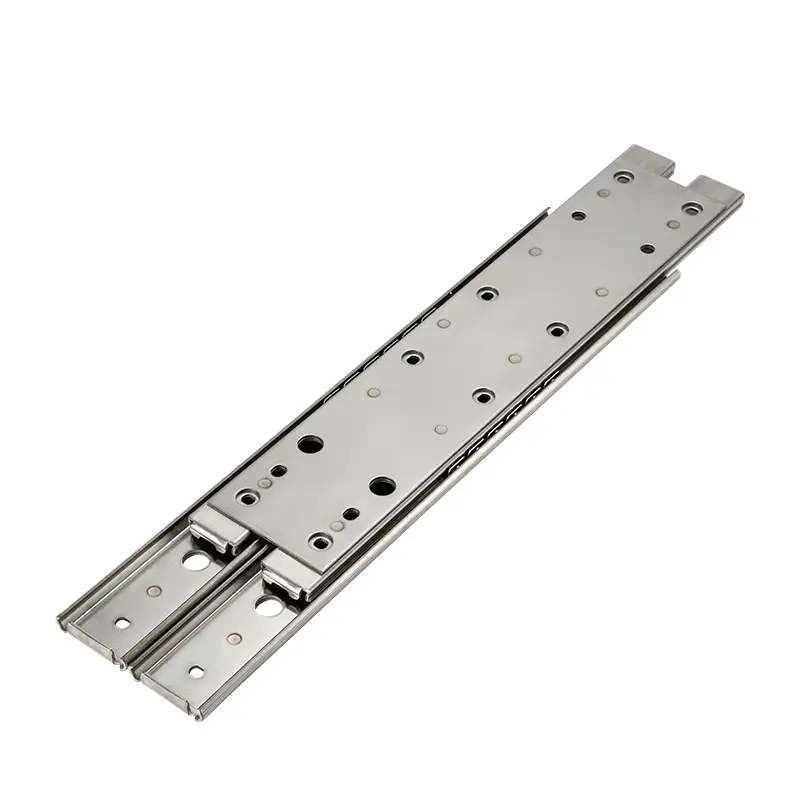
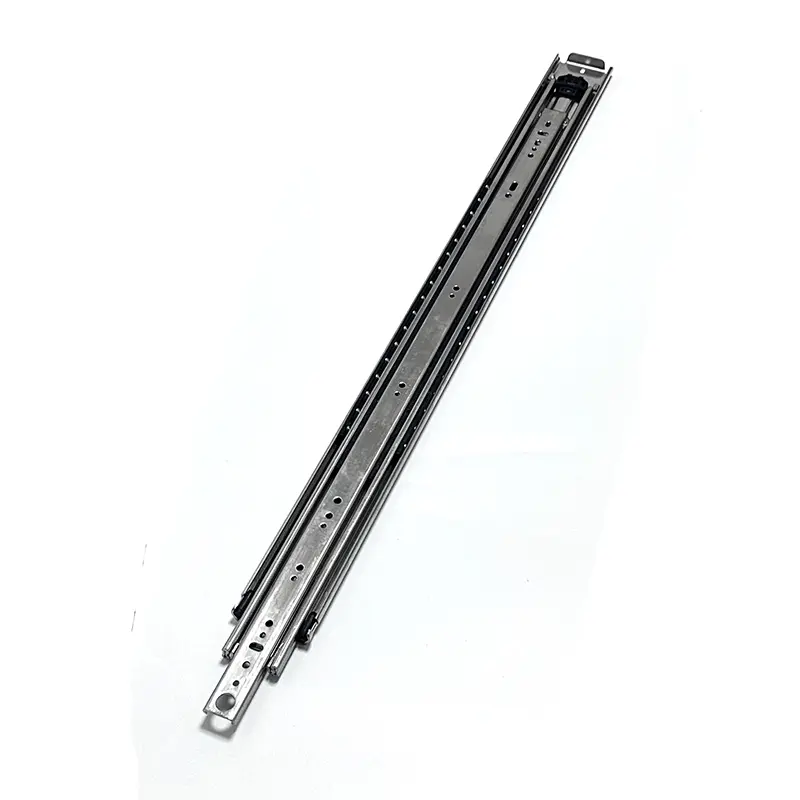
Say goodbye to delays and malfunctions. In 2026, the three-section sliding rail locking technology will become a standard feature in the industry.
In the year 2026, when industrial automation and precision manufacturing are experiencing rapid development, the linear motion system, as the "joints" of the equipment, directly determines the reliability of the entire machine. With the increasingly stringent requirements for stability in aerospace, railway transportation, and high-end industrial machinery, the traditional sliding solution has become unable to meet the needs in complex working conditions. Currently, the industry is undergoing a technological transformation regarding "safety and accuracy" - the three-section telescopic heavy-duty slide rails and their locking technology are gradually replacing traditional components and becoming the industry standard for solving the problems of jamming and derailment in heavy-load scenarios.
The core of this transformation lies in the ultimate pursuit of "full travel stability". In high-end fields such as aerospace and military vehicles, equipment not only has to withstand huge loads but also needs to cope with frequent vibrations and extreme environments. Therefore, heavy-duty slide rails with high-precision locking function, full travel extension capability, and excellent material craftsmanship have become the key to ensuring the safe operation of equipment.
Against this backdrop, the heavy-duty slide rail model CS2053LK launched by Truslide Company, with its outstanding performance parameters and innovative structural design, has become an outstanding representative of this technological trend, perfectly embodying the "gold standard" of industrial-grade slide rails in 2026.
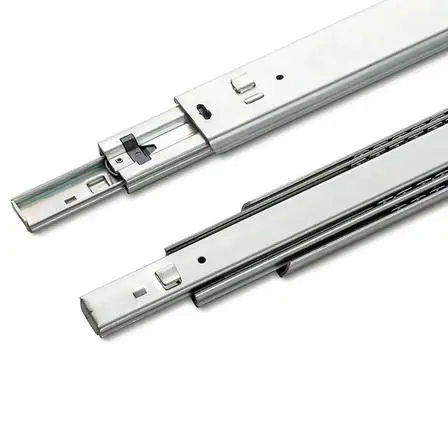
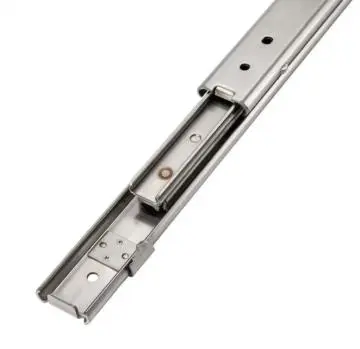
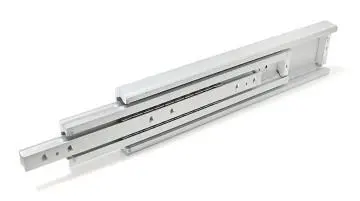
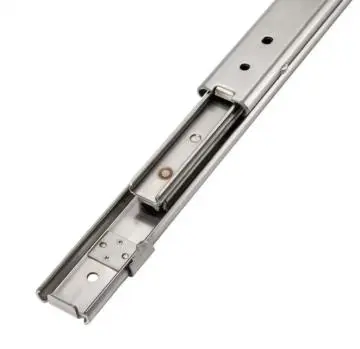
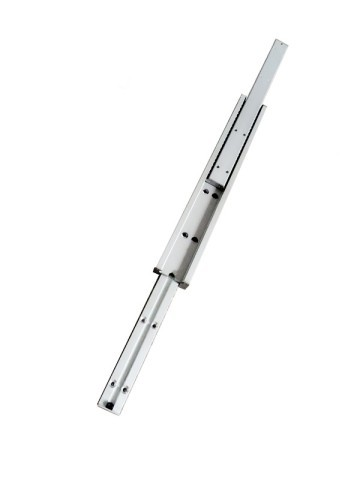
CS2053LK is specifically designed to address complex assembly scenarios and heavy-load requirements. This product adopts an advanced full travel extension structure, enabling 100% drawer or tray pulling, completely eliminating the blind spots for taking items. Its unique inner rail detachable design makes installation and later maintenance in narrow spaces extremely simple.
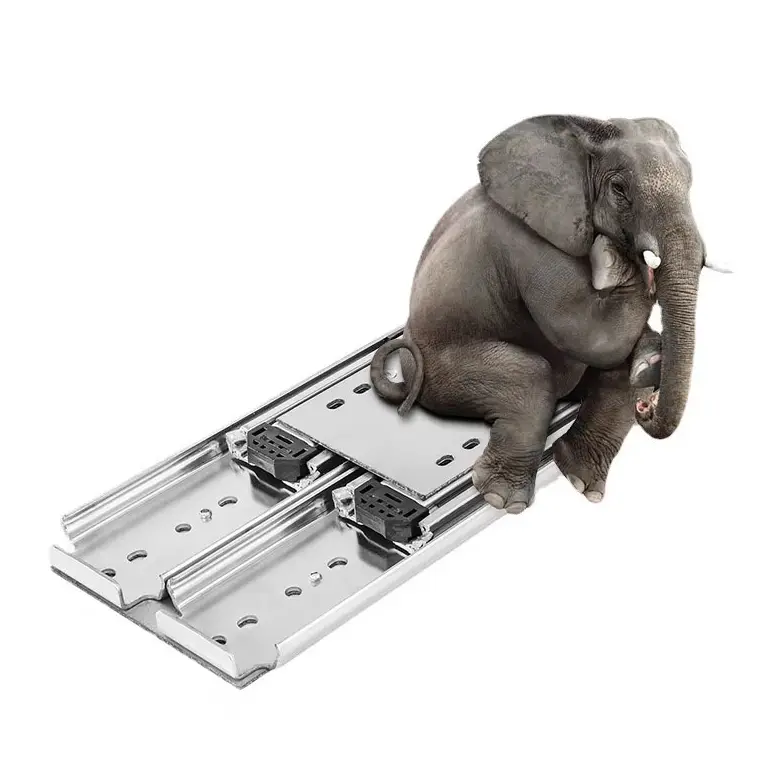
In terms of core safety performance, CS2053LK is equipped with high-precision locking function. This mechanism can effectively prevent equipment from sliding accidentally in tilted, vibrating, or stationary states, ensuring the absolute stability of measuring instruments and industrial operation tables, completely eliminating the risk of "derailment". As a heavy-duty slide rail, its rated load capacity reaches 120 kilograms, combined with precise ball bearing technology, it can still maintain smooth, low-noise, and smooth operation even under full-load conditions.
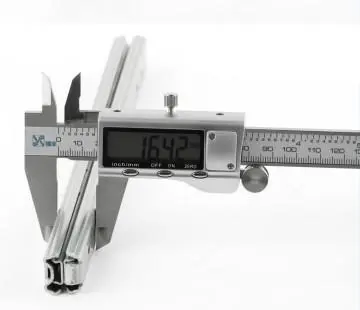
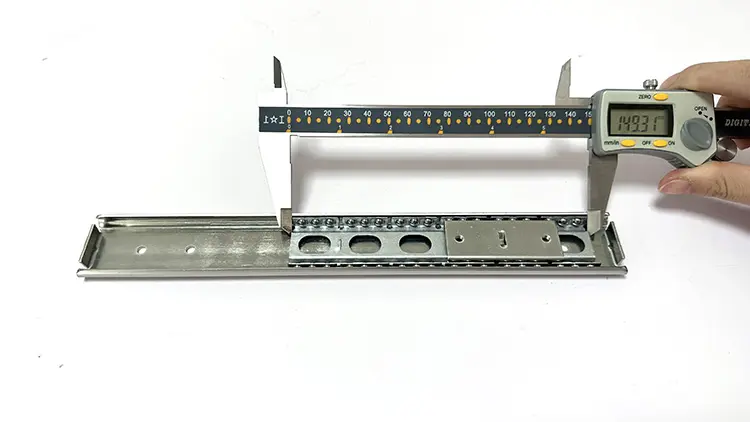
In terms of material, CS2053LK demonstrates extremely high industrial standards. The product body is made of high-density cold-rolled steel, with a width of 53 millimeters and a thickness of 20 millimeters. The cold rolling process gives the material extremely high hardness and wear resistance, ensuring no deformation under long-term heavy pressure. Additionally, this product supports wide customization from 10 inches to 48 inches, enabling flexible adaptation to various non-standard industrial needs.
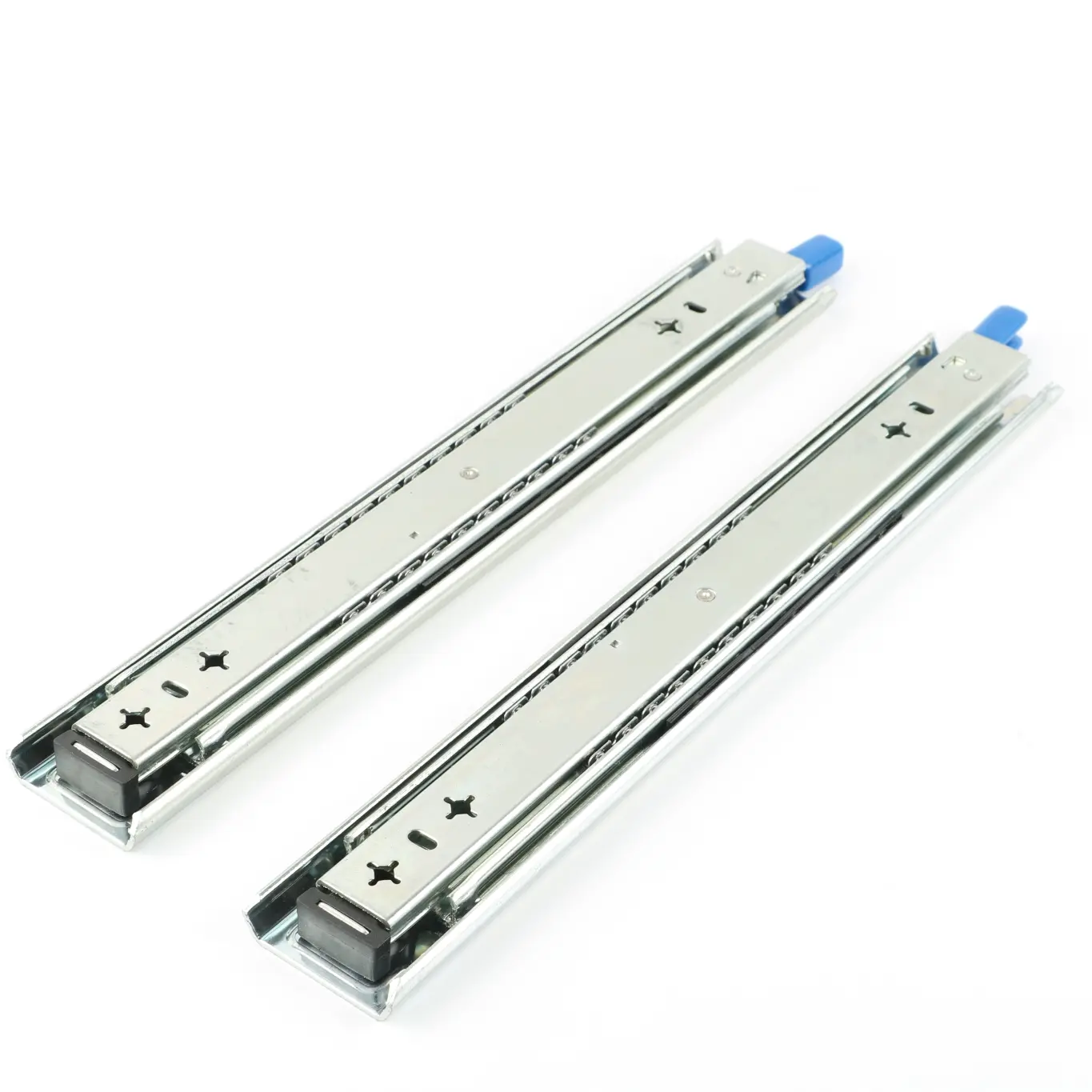
| Model number | CS2053LK |
| Texture | Cold-rolled steel material |
| Load | 120kg |
| Available size range | 10 inches - 48 inches |
The outstanding performance of CS2053LK is inseparable from its powerful technical support - Truslide. As a professional company specializing in linear motion systems, Truslide is committed to providing comprehensive motion control solutions for global customers.
Truslide possesses strong R&D and manufacturing capabilities. Its product line includes cold-rolled steel slide rails, bearing steel slide rails, stainless steel slide rails, aluminum alloy slide rails, and various types of linear guides. Besides standardized high-quality products, Truslide is also skilled at providing customized slide rail services with various special shapes according to customer needs. With excellent product quality and flexible service models, Truslide's products have been widely applied in key fields such as aerospace, railways, medical, military vehicles, automation equipment, and industrial machinery, becoming an important force driving technological progress in the industry.